The UK Considers Creation of a Cryptocurrency Reserve

The-UK-considers-creation-of-a-cryptocurrency-reserve

The-UK-considers-creation-of-a-cryptocurrency-reserve

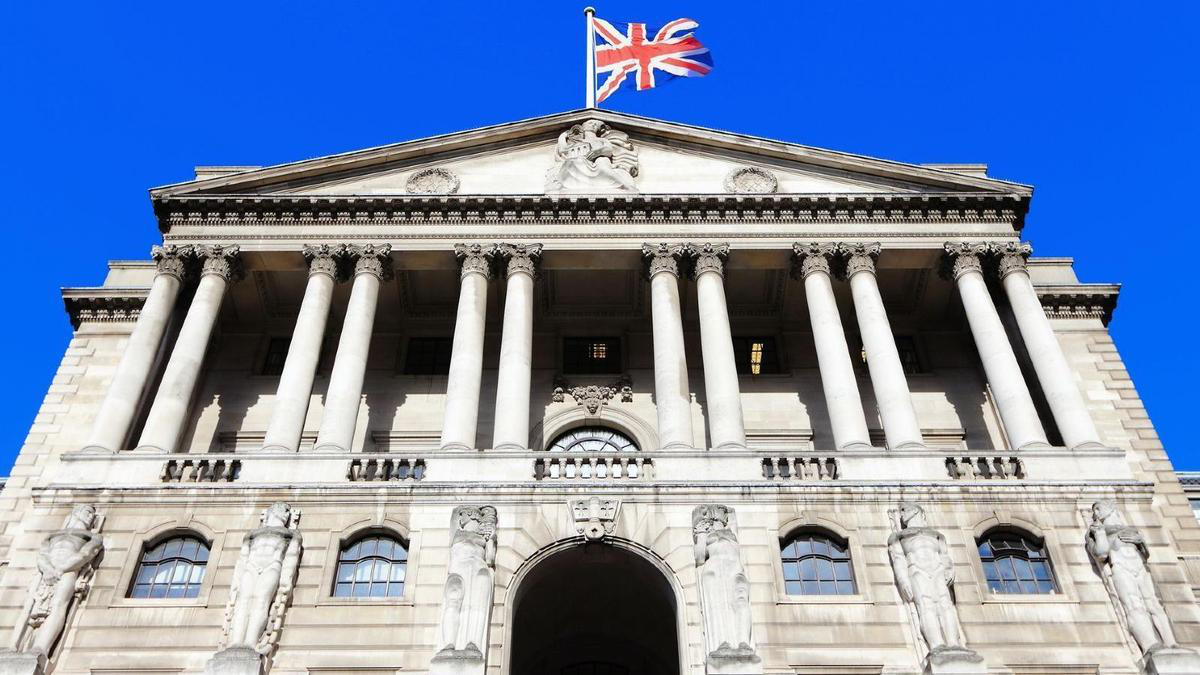
The UK treasury is looking into the possibility of assembling a national reserve of cryptocurrencies with the Bank of England.

John Glen, the economy secretary of the Treasury, stated that the government is planning to assume “a leading role” in the cryptocurrency sphere and “the diverse opportunities and challenges they could present”.

The Bank of England recently presented a paper on the matter. However public discussions on it have since been closed. Now it lays in the hands of the government to assess how to proceed with the notion of creating a cryptocurrency reserve in the foreseeable future.

The UK is only the most recent of growing number of countries contemplating whether to invest in the assembling of a central bank digital currency, commonly known under the abbreviation CBDC. The list of such countries also includes Sweden, South Korea, China, Canada, and the US.

Although a digital dollar by the USA is still five years in the making, as of right now, China’s digital yuan is running its first test in four major cities.

The Bank of International Settlements (BIS), a world-wide financial entity owned by the member central banks, has stated its position in favor of CBDCs in a recent report. The BIS, whose members include 62 central banks, thinks that CBDCs may be able to prompt “a sea change”, which will give the opportunity of households and businesses around the globe to use a modern, safer and more efficient payment methods.

The BIS argues that apart from stimulating innovation and helping central banks work with financial inclusion and sophisticated payment methods CBDCs also present an alternative to money transfers (also known as remittances). These transfers often include heavy fees reaching as high as ten percent, in regions with fewer alternatives, such as Africa. Apart from making remittances faster, more transparent and efficient, economic migrants from the developing countries can pay less in terms of fees to remit back to their families.

The institution however notes that the issue of CBDCs has to be considered thoughtfully, stating that it should be planned as a technological effort by governments and central banks focused on the pursue of several public policy goals simultaneously.