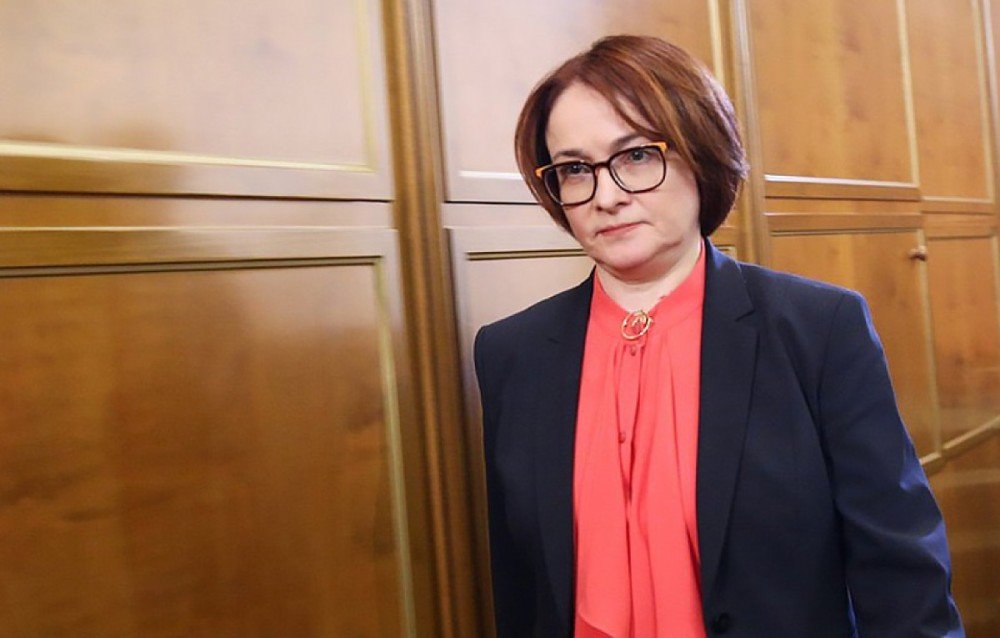
The governor of the Bank of Russia Elvira Nabiullina is convinced that the digital ruble will not affect interest rates on loans and deposits in the Russian Federation and will not lead to an outflow of money from banks.
Nabiullina announced this at a press conference following a meeting of the Board of Directors of the Central Bank of Russia. In her opinion, lending and deposit rates will remain at the same level with and without the digital ruble since they depend on inflation and monetary policy. Nabiullina added that in the coming years the Russian banking sector will not experience a liquidity shortage.
Earlier, the deputy chairman of Sberbank, Anatoly Popov, expressed concern that within three years after the launch of the digital ruble, a large inflow of funds in the amount of 2-4 trillion rubles could occur to this asset. As a result, these funds will not be available for lending, which will reduce liquidity and provoke an increase in rates. Popov’s position was supported by analysts of the rating agency Moody’s. They believe that if customers of commercial banks switch to the digital ruble, the revenues of these banks will be significantly reduced.
However, Nabiullina objected that these figures are not supported by anything, and the digital currency from the Central Bank of Russia will not cause negative changes and will not lead to an outflow of funds from banks. The governor of the central bank also stated that if a final decision is made to launch the digital ruble, it will be implemented gradually. This is necessary so that ordinary people and organizations begin to gradually get used to the new asset. As the population “gets acquainted” with the digital ruble, its demand will increase.
Recently, Nabiullina said that testing the digital ruble could begin as early as the end of next year, but that the level of anonymity that is inherent in cash should not be expected.